

MYCOBEANS - Exploring emerging mycotoxins risk in beans: a global alliance for climate change resilience
MYCOBEANS is a 48-month MSCA-funded research and training project addressing emerging mycotoxin risks in beans and legumes used as alternative plant protein sources. By combining scientific excellence with intersectoral collaboration, the project aims to strengthen food safety and supply-chain resilience in the context of climate change and rapidly evolving dietary patterns.
Why MYCOBEANS?
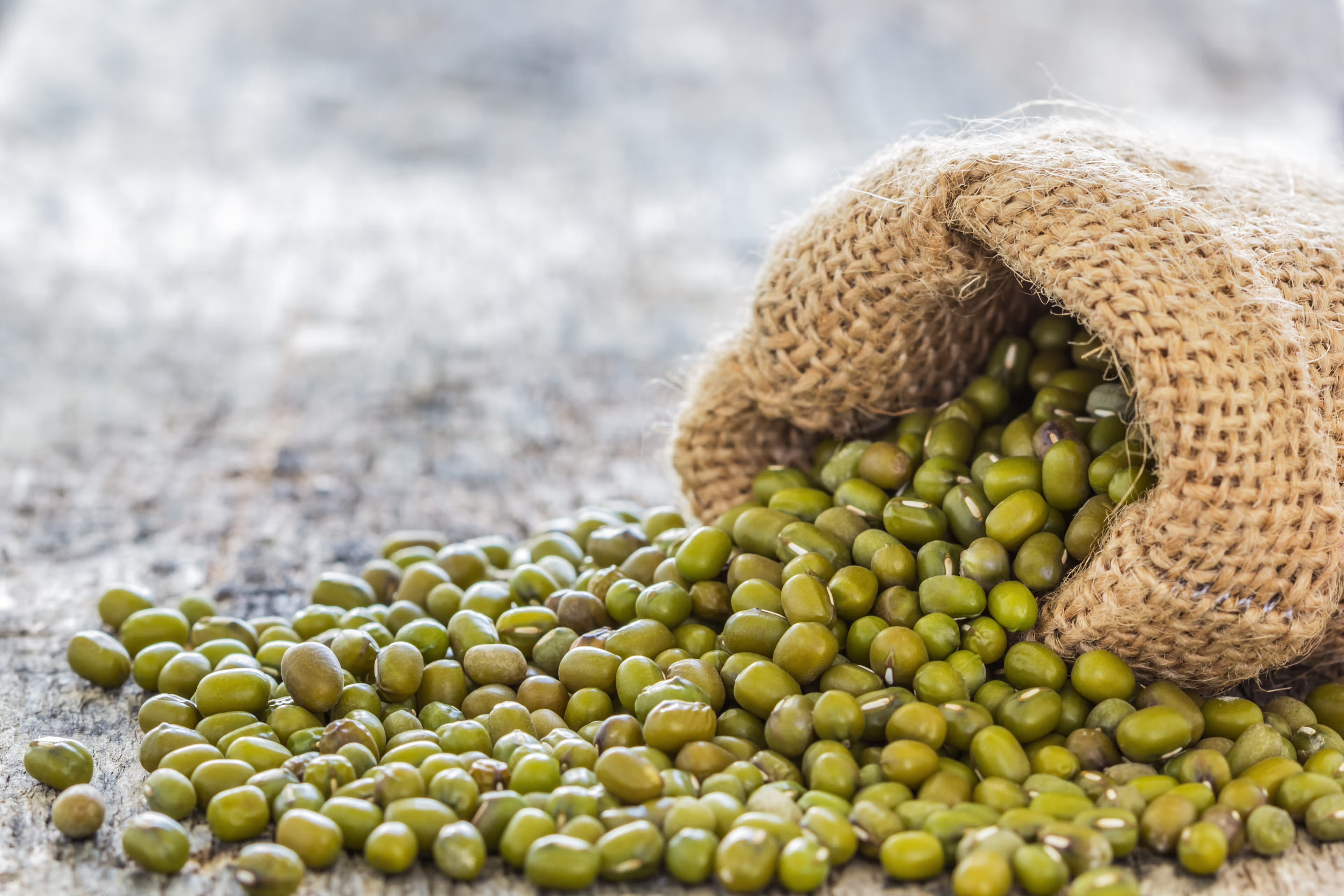
Climate change and changing agricultural practices are reshaping the risk profile of food contaminants. At the same time, beans and legumes are becoming central ingredients in sustainable, plant-based diets. In this evolving landscape, mycotoxins in legumes represent an emerging and still underexplored challenge, with potential implications for food safety, consumer trust, and the resilience of protein supply chains.
What the project does
MYCOBEANS works across the food chain to: - investigate the occurrence of emerging mycotoxins in beans and legume-based ingredients; - strengthen analytical and diagnostic approaches for reliable mycotoxin detection and monitoring; - improve understanding of toxicological risks under realistic exposure scenarios; - develop and assess biotechnological mitigation strategies applicable to plant-based protein systems.
A global research alliance
Coordinated by the University of Parma (Italy), MYCOBEANS brings together academic institutions, research centres, and food industry partners from the EU, the UK, and ASEAN countries. Through international collaboration, researcher mobility, and intersectoral training, the project promotes knowledge exchange, capacity building, and long-term cooperation to address complex food safety challenges.
By bridging detection, risk understanding, and prevention, MYCOBEANS aims to turn emerging food safety risks into actionable knowledge and sustainable solutions for the plant-based foods of the future.